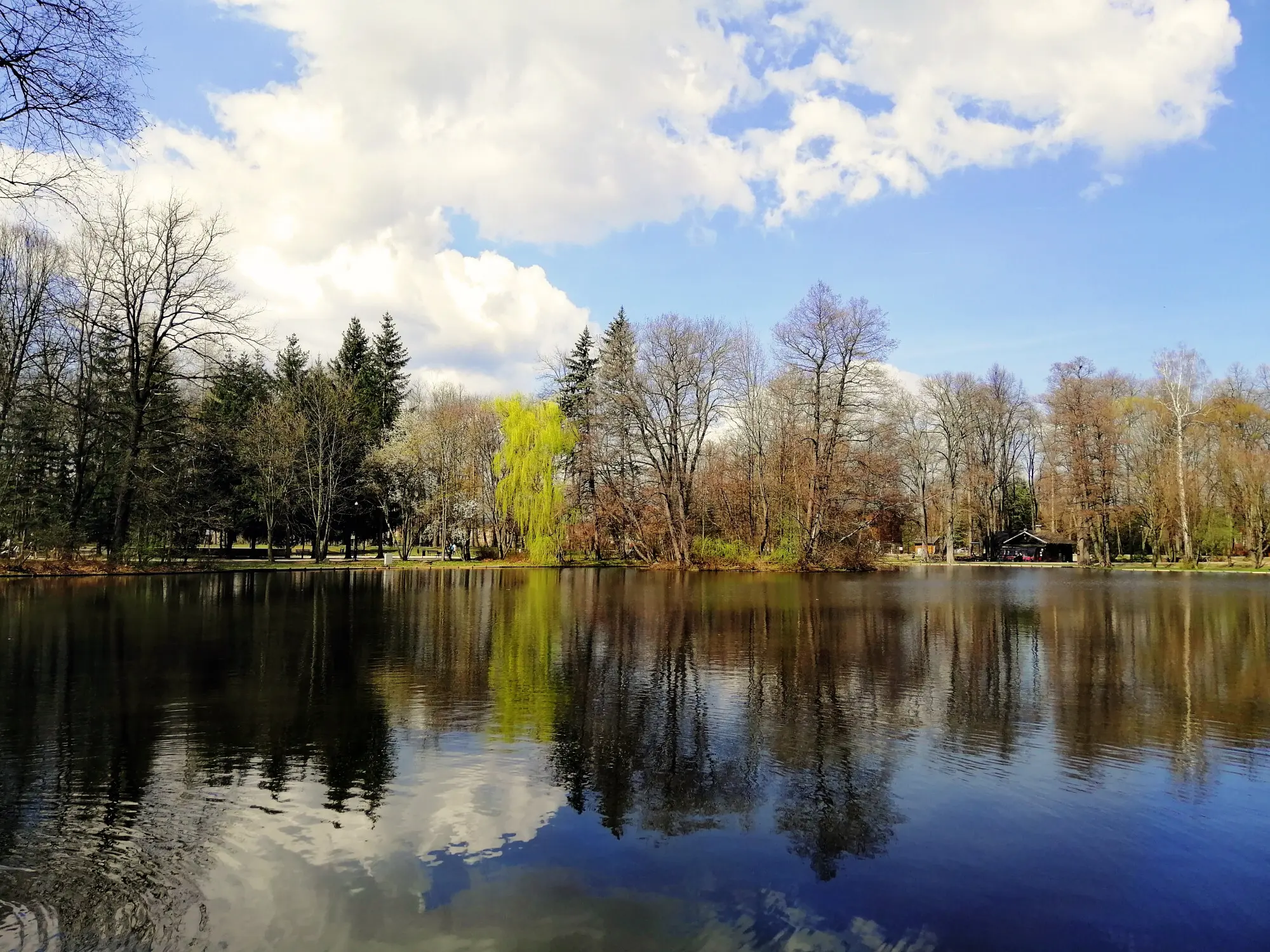
Where Mountains Meet Their Mirror

Set your sights on quiet water and patient light as we explore Tarn Reflection Spots in the Lake District, celebrating those glass-smooth mornings when fells appear twice and time seems to pause. From easy-access shores to wild corries, you’ll learn when to arrive, how to read the breeze, and what gear choices help preserve delicate reflections. Share your favorite location at the end, ask questions, and join fellow wanderers inspired by calm surfaces, subtle color, and unforgettable silence beneath England’s most storied hills.

Timing the Stillness

Reflections live and die by wind and light. Arrive before sunrise, check forecasts carefully, and linger through blue hour into first gold. Many perfect mirrors appear in brief lulls, so patience matters as much as equipment. Use Met Office updates, Windy’s gust charts, and a willingness to wait, letting reeds and ripples tell you when to press the shutter. A thermos, warm layers, and unhurried breathing turn a chilly pre-dawn shoreline into a welcoming studio of sky and stone.

Before Sunrise Glow

Deep blue hour often delivers the calmest water, and that cool light intensifies mountain silhouettes in a way midday never can. Arriving forty to sixty minutes early lets you scout foregrounds safely, pre-visualize compositions, and notice tiny wind shifts. Watch for a faint pink belt along the eastern horizon; when it strengthens, the lake’s surface frequently settles for a fleeting minute. Work quickly but gently, minimizing movement near the shore to avoid sending your own ripples into the scene.

Reading Breezes and Ripples

A mirror demands wind speeds low enough that small ripples never organize into repeating patterns. Study cat’s-paw textures and the way reflections break near reeds or pebbly shelves. If gusts are forecast, shield yourself behind boulders or low banks, and shoot during pauses between breaths of air. A flexible schedule helps: sometimes the best stillness comes after sunrise when valley winds ease. Learn local landforms; steep-sided corries can trap quiet air, while open passes funnel breezes across exposed tarns.

Welcoming Mist and Cloud

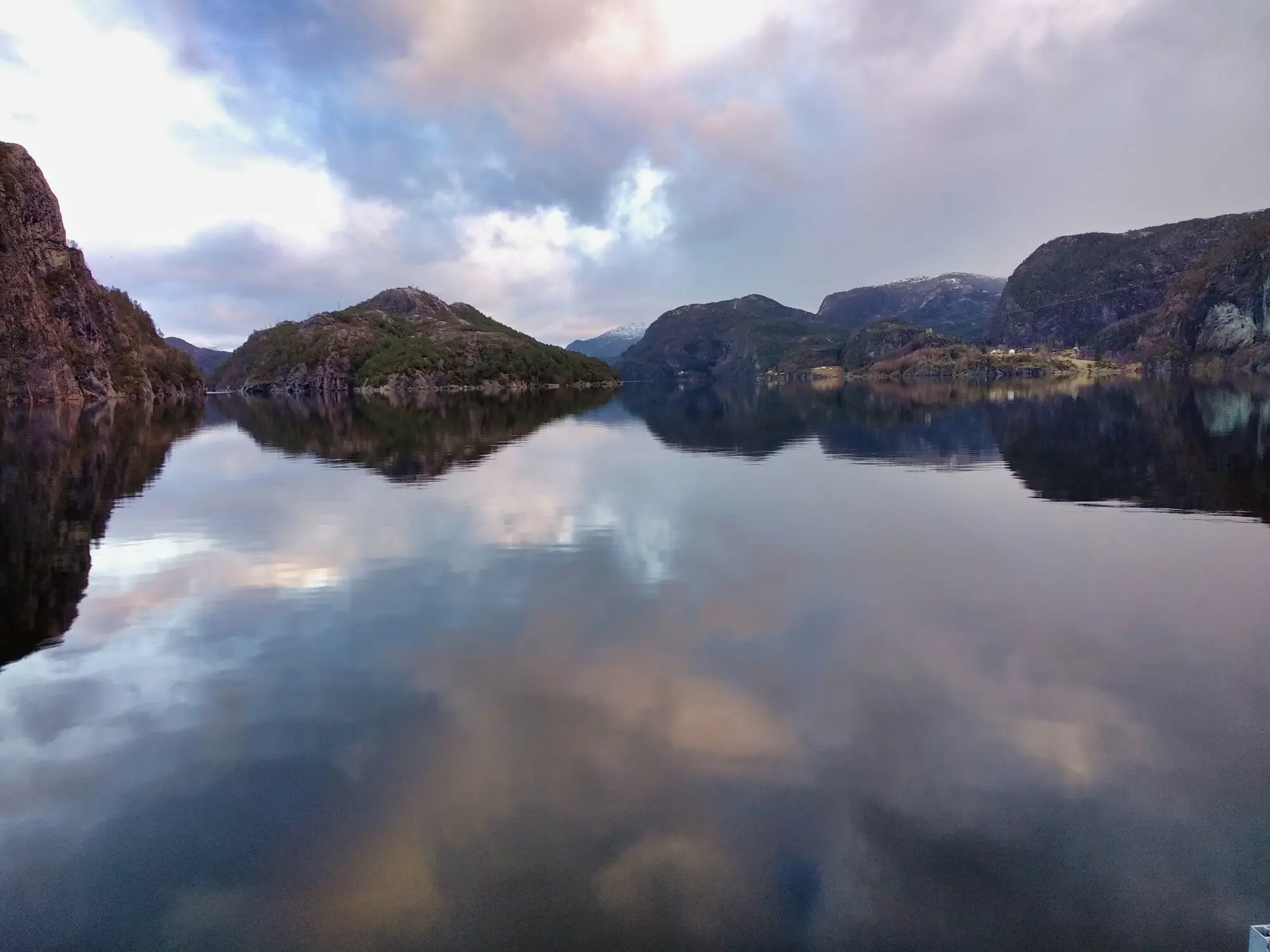
Thin mist draped over a tarn softens contrast and deepens mood, yet stillness remains if the air barely moves. Low cloud can hide summits, but it also compresses tones into elegant gradients that reflect like alabaster. Wait for brief reveals of ridge or crag, letting shapes appear on the water as small, theatrical gestures. Even drizzle can shine if you protect your lens and time shots between droplets. Let weather dance, and frame its gentlest moments with care and gratitude.

Paths to Quiet Waters

Routes matter as much as vistas. Choosing approaches that suit your energy and sunrise timing reduces stress and increases reflective potential. Carry an OS Map, download offline navigation, and know where parking opens early. Early arrivals avoid footsteps that can ruffle shorelines and keep fragile margins undisturbed. If a path skirts sensitive bog or heather, stay on firm ground to preserve the tarn’s peat-fed clarity. Plan exit routes, respect farm gates, and greet fellow dawn seekers with warmth and kindness.

Compositions that Breathe

Perfect symmetry is powerful, but character often lives in slight imbalance: a drift of reeds, a leaning birch, or a curving shoreline that quiets the frame. Seek foreground stones that echo distant peaks, and watch edge cleanliness—cutting mountain tips breaks the spell. Rotate your camera for vertical strength when clouds build towering forms. Leave space for reflected sky; it lightens the lower half and opens emotional depth. Above all, compose with kindness to the place and its stillness.

Balanced Symmetry with a Purpose

Start centered, then nudge into intention. Align summit points with their mirrored partners, checking that your horizon slices exactly through the midpoint. If the waterline tilts, the illusion fails, so use a virtual level or tripod bubble. Add a small asymmetry—perhaps a reed cluster or shoreline kink—to humanize perfection. When clouds lack detail, lower the frame and prioritize textured reflections. Conversely, when sky performs, widen upward and let the tarn become a luminous echo chamber for drama and grace.

Foreground Textures that Anchor the Scene

A quiet foreground invites entry without stealing the show. Wet rocks, dew-laced grasses, or frost-sparkled peat knit the lower frame to distant crags. Place elements so they point inward, guiding the eye toward the mirrored ridge. Test micro-adjustments by shuffling a few centimeters; small moves often clarify relationships. If surfaces glisten, use a cloth to manage droplets on the lens and keep highlights from blooming. Remember, gentle footwork preserves fragile margins and the soft, living skin of shorelines.

Stitching Panoramas and Playing with Aspect Ratios

When long ridgelines sprawl wider than your lens, embrace multi-frame panoramas from a locked tripod. Overlap generously, keep exposure fixed, and mind moving grasses that can confuse stitching. Square crops emphasize symmetry and serenity, while 4:5 frames balance sky and reflection gracefully. For sweeping drama, try 16:9 to showcase cloud architecture mirrored below. Always verify that the waterline remains laser-straight through processing, since a slight bow fractures believability. Presenting proportions thoughtfully lets viewers breathe with the scene’s natural rhythm.

Tools, Settings, and Steady Hands

You do not need a suitcase of gear, only thoughtful choices and calm technique. A sturdy tripod, cable release, and clean lens go far. Keep ISO low to protect delicate gradients in sky and reflection, bracket exposures for safety, and consider focus stacking when foreground textures hug the lens. Filters help, but restraint matters. Above all, stay unhurried: let metering settle, dampen tripod vibrations, and time each frame between tiny gusts. Stillness begins with you before it reaches the water.

Tripod Discipline and Exposure Strategy

Extend the thickest leg sections first, plant feet firmly, and hang a small weight if wind meddles. Use a two-second delay or remote trigger to prevent camera shake. Bracket a clean base exposure with subtle under and over frames, protecting highlight reflection while retaining shadow detail in foreground rocks. Shoot RAW for latitude, and review edges carefully at high magnification. If ducks or swimmers create ripples, pause, recompose tighter, or embrace motion with a deliberately longer shutter to paint silky patterns.

Filters: Polarization, Neutral Density, and Graduated Control

A circular polarizer can both help and harm reflections. Dial it gently to tame glare on foreground stones while preserving mirrored mountains; often a partial effect works best. Neutral density filters extend exposure to soften minor ripples, creating painterly gloss without losing structure. Graduated filters, physical or digital, balance bright skies with darker shorelines, protecting tones across the frame. Keep cloths handy, rotate rings slowly, and test tiny variations—one quarter turn can change a good reflection into a vanishing act.
Seasons of Light and Weather

Every month writes a different story on still water. Autumn blazes against quiet glass; winter sculpts ice and pale sun; spring returns frogs, blossom breezes, and tender greens; summer relaxes into long, late color and stargazing waits. Plan revisits rather than one-time conquests, letting familiarity reveal rare alignments. Carry microspikes in freeze-thaw, spare gloves for drizzle, and a headlamp for those comforting pre-dawn miles. Patience with weather gifts surprising windows when cloud and calm partner in quietly astonishing harmony.

Autumn Fire on Still Glass

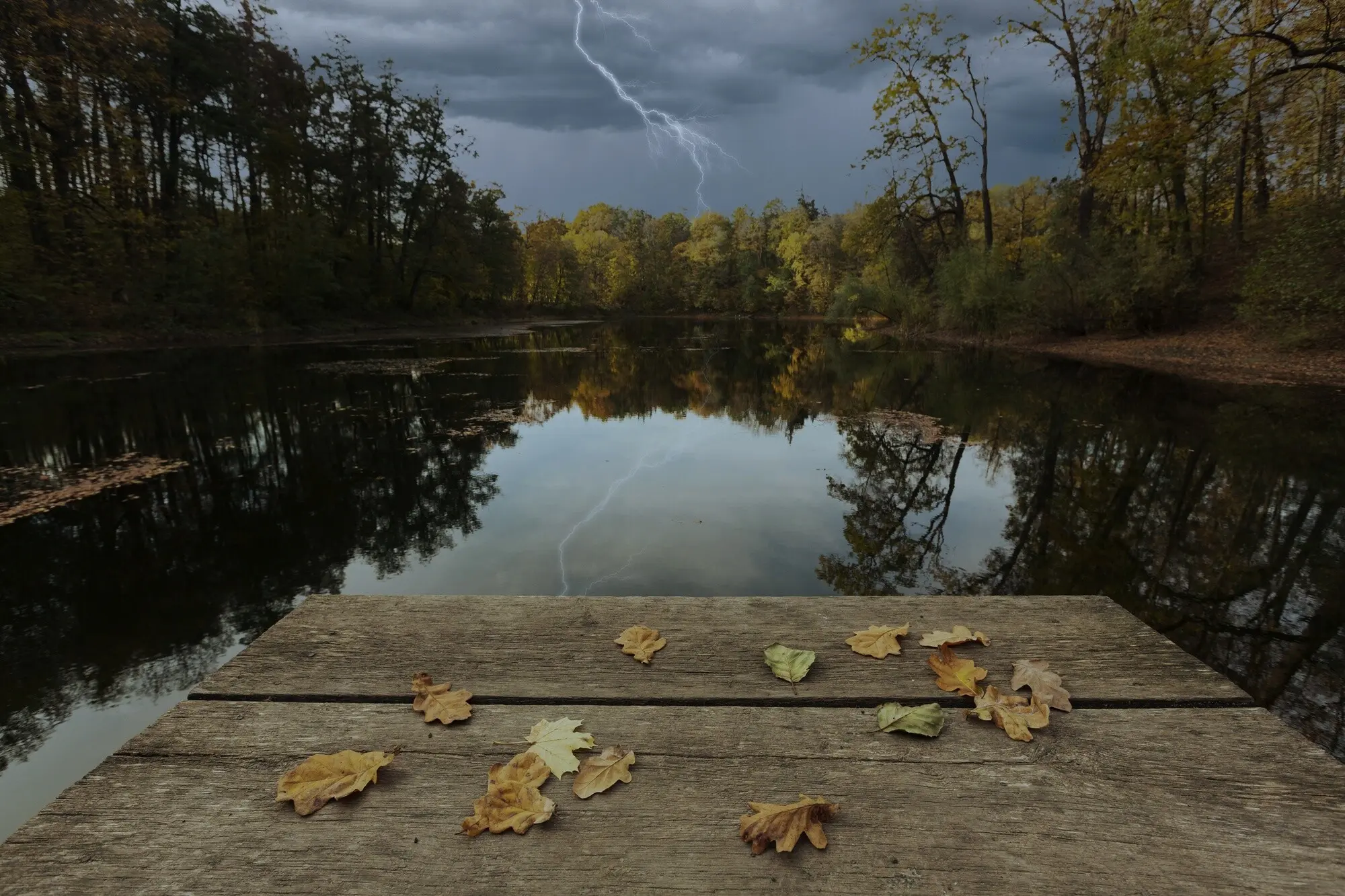
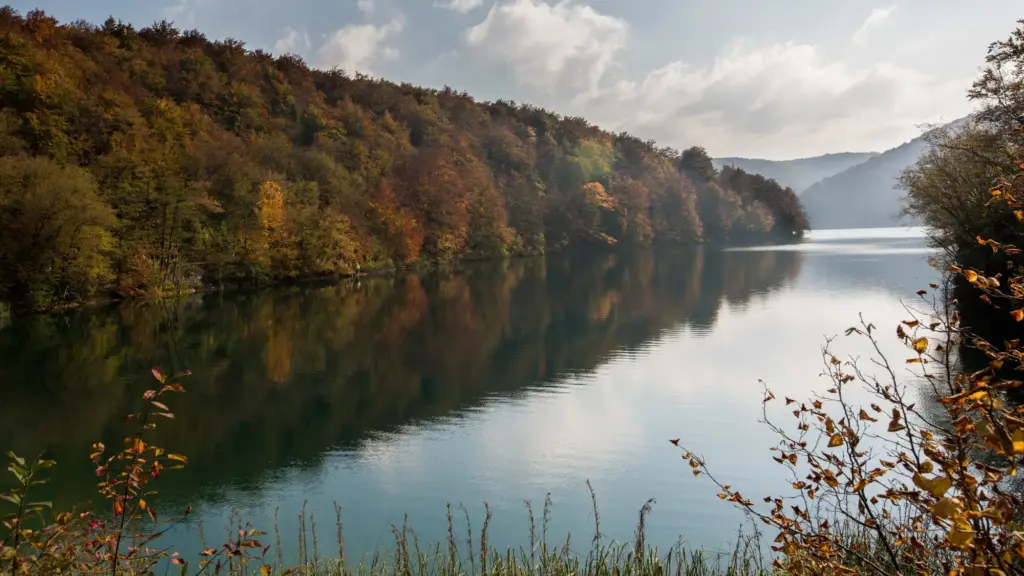
Larches and bracken burn gold, copper, and rust, doubling in water so vivid it feels painted. Calm often arrives after cold, clear nights, especially when high pressure lingers. Look for backlit slopes igniting just after sunrise, then shift to side light as the sun climbs. At Tarn Hows or Loughrigg Tarn, fallen leaves drift into pleasing arcs near shore—gentle, purposeful framing tools. Keep an eye on frost, which crisps grasses beautifully while making steps slippery; move slowly and savor the hush.

Winter Ice, Snow Lines, and Pale Sun

When temperatures dive, thin ice scribbles crystalline maps across shallows, sometimes leaving central pools glassy and perfectly reflective. Snow lines on the fells trace sculptural contours that read exquisitely in mirrored form. Carry traction for hidden ice on paths, protect batteries from cold, and cushion your tripod feet on rock for stability. Seek the brief warmth of low winter sun kissing summits, then let blue hour cool the palette to pearl and slate. Silence deepens, and every breath becomes visible.

Spring and Summer: Wildflowers, Dragonflies, and Late Light

New greens wrap the margins, wildflowers flirt with edges, and dragonflies sketch bright commas over water. Reflections can persist deep into evening when valley breezes relax. Embrace longer walks to quieter bowls like Angle Tarn or Kelly Hall Tarn, arriving with snacks and curiosity. Golden hour lingers, revealing patient compositions overlooked in haste. If swimmers share the tarn, smile, wait, and frame details until calm returns. Later, when stars appear, the last hush settles, and mirrored silhouettes feel almost weightless.

Care, Courtesy, and Community

Quiet water invites quiet hearts. Tread lightly on fragile peat and sphagnum, close gates carefully, and greet early risers with kindness. Give anglers, swimmers, and wildlife respectful space, and avoid tossing pebbles that spoil someone else’s reflection. Pack out everything, step around delicate plants, and keep dogs under close control where livestock graze. Share your images and field notes with our community to help others learn when calm arrived and how you framed the shore. Your stories keep these places shining.
Vanilivovaronarikavi
Privacy Overview

This website uses cookies so that we can provide you with the best user experience possible. Cookie information is stored in your browser and performs functions such as recognising you when you return to our website and helping our team to understand which sections of the website you find most interesting and useful.