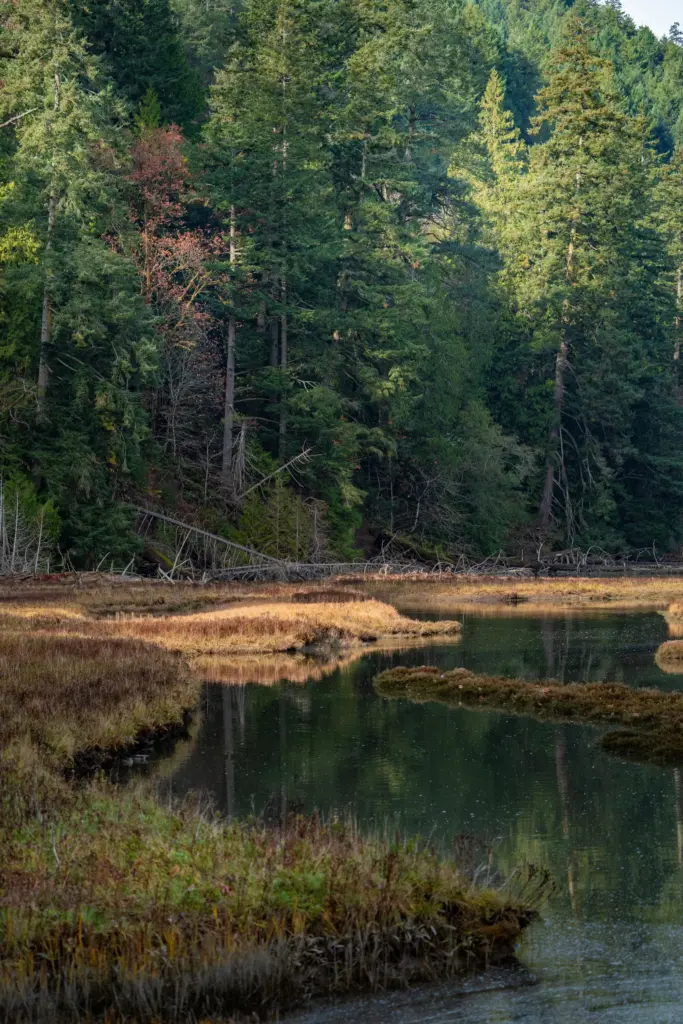
Hunting the Mirror on Lake District Waters

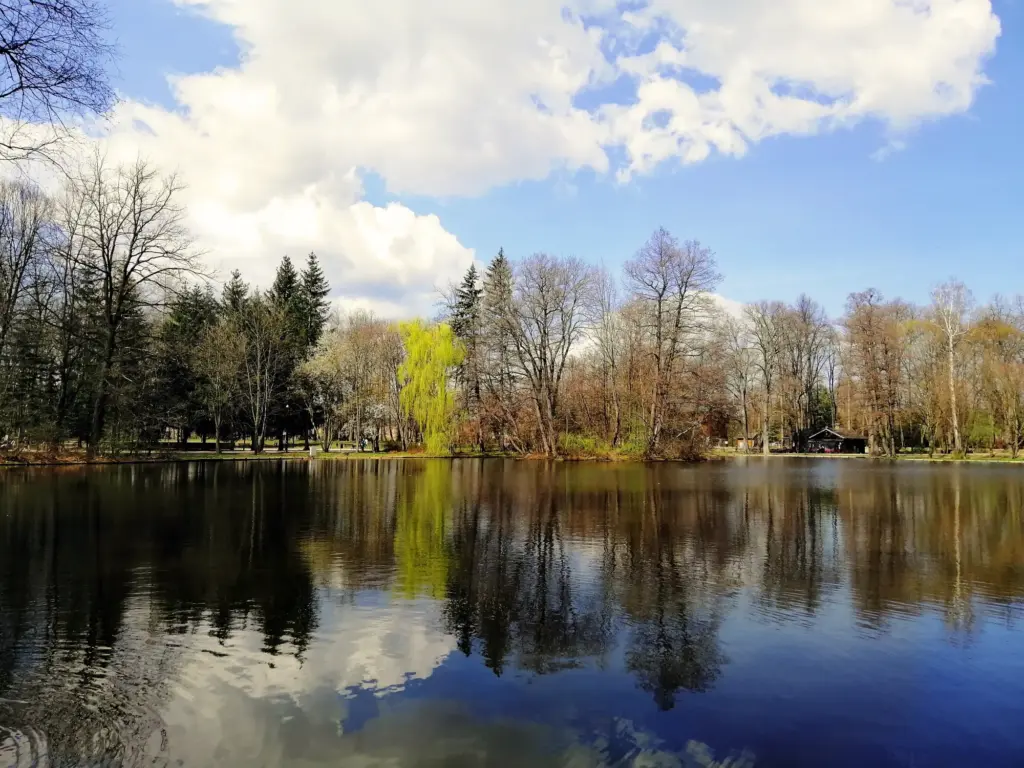
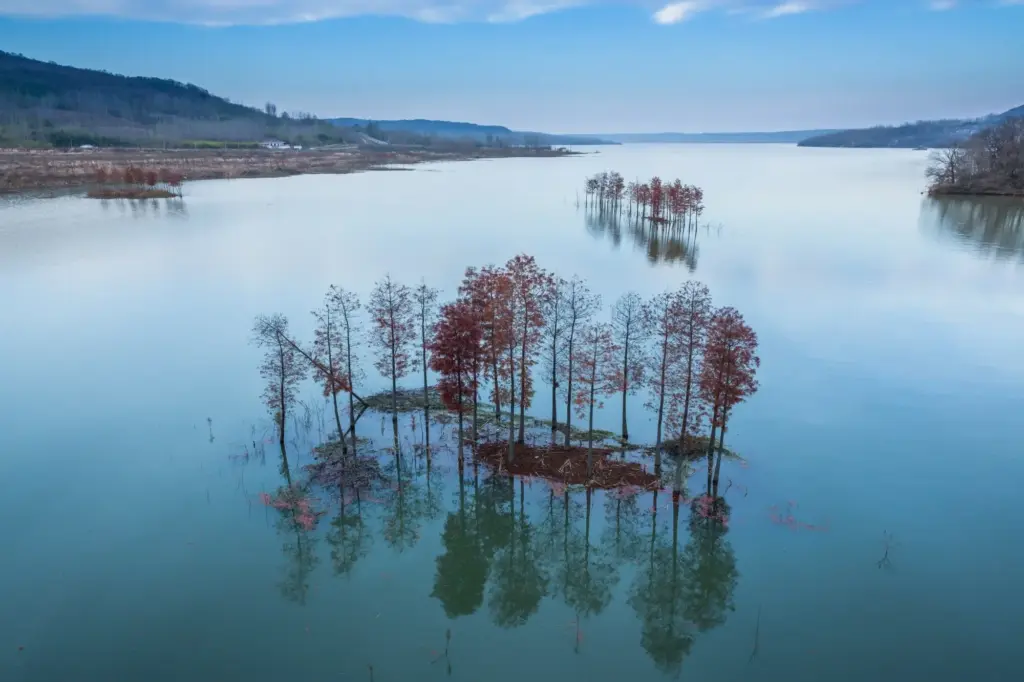
Today we dive into Weather, Wind, and Light: Predicting Glassy Conditions on Lake District Waters, turning forecasts into field-ready intuition. We’ll translate charts, read the shoreline, and choreograph arrival times so Windermere, Derwentwater, Ullswater, and Coniston greet you as silver mirrors. Expect practical cues, season-wise tactics, and storyteller moments from frosty dawns when birdsong starts before boats. Share your sightings, compare notes, and help refine a community calendar of calm.

Silent Maps: High Pressure, Soft Gradients, and Unshakable Calm

Begin with synoptic sanity checks that favor mirror water: a firm anticyclone parked over or just east of Cumbria, isobars widely spaced, and negligible fronts. Under settled air, subsidence dries layers, damps turbulence, and lets nocturnal inversions strengthen valleys. If the pressure tendency is steady or slowly rising overnight, dawn often promises glass. Cross-verify Met Office surface charts with ECMWF or UKV output, then time your drive to arrive before local thermal breezes awaken hillside heather and whisper across the fetch.

Reading widely spaced isobars on the morning chart

Look for lazy curves around the British Isles, not tight whorls or kinked troughs. When the gradient slackens, gusts lose bite and nearby ridgelines stop feeding eddies to the basins. A pressure field above 1020 hPa with gentle spacing often pairs with lake surfaces that exhale nothing but silence.

Stability aloft, subsidence, and the lake surface

High pressure promotes sinking air that warms and dries, capping convection. That cap matters, because fewer rising bubbles mean fewer gusty surprises skittering across Derwentwater’s bays. If mid-level winds are modest too, momentum transfer is limited, letting the skin stay polished longer after sunrise.

Terrain’s Whisper: Valleys, Ridges, and Local Wind Shadows
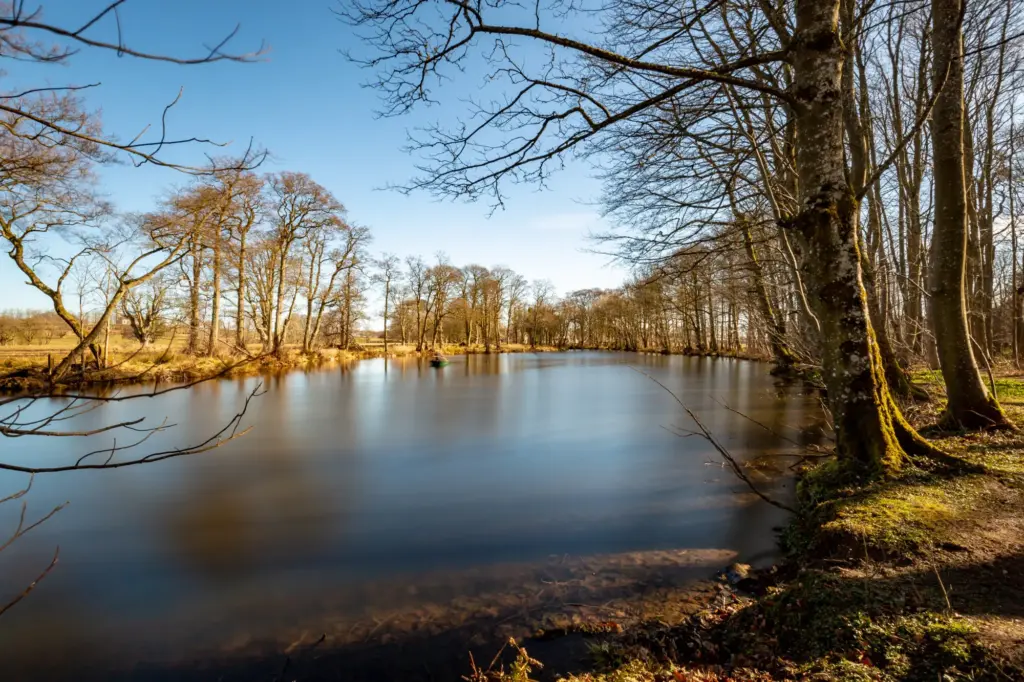
Mountains sculpt breezes with surgical precision, turning general forecasts into hyperlocal quirks. Coniston Old Man can block a meek northerly, leaving Kelly Hall Tarn flawless, while a slight southerly can sneak along Windermere’s axis and ruffle only the mid-lake. Learn the sheltering faces, the leeward coves, and the funnels where catabatic flows accelerate. Walk five minutes and conditions change completely. Map these patterns, align arrival with expected shelter, and trust your feet and eyes more than any single model pixel.

Daily Dance: Dawn Lulls, Thermal Breezes, and Human Disturbance

Calmest moments hide around nautical dawn through the first sunbeam, before slopes heat and valley breezes assemble. Nocturnal inversions pin air near the surface; then, as shadows withdraw, anabatic currents gather and glide down the lake. Add rowing clubs, ferries, paddleboarders, and you’ve lost the mirror. Arrive embarrassingly early, watch for frost glitter on walls, and listen: a stillness so complete you can hear a distant mallard push water is your go signal.

Nocturnal inversions and katabatic drifts

On clear, long nights, cold air slides off the fells and collects in hollows, reinforcing a soft lid over Ullswater’s coves. Dawn’s first light often coexists with this silence for thirty golden minutes. When you feel the tiniest cheekward tickle, frames become numbered; work faster.

Anabatic and lake breezes after sunrise

As slopes warm, upslope winds pull air from the water, stretching a faint current along the main axis. Expect earliest texture near broader reaches of Windermere and Thirlmere, slightly later in tighter bowls like Buttermere. If cirrus filters the sun, the onset may delay, buying minutes.

Traffic patterns, wake risks, and etiquette

Study ferry timetables, rowing schedules, and popular launch spots. The earliest wake often comes not from engines but eager sunrise swimmers or an enthusiastic retriever plunging after a stick. A friendly word, a smile, and collaborative timing preserve the rare stillness for everyone present.

Light That Doubles the World: Managing Angle, Color, and Reflection
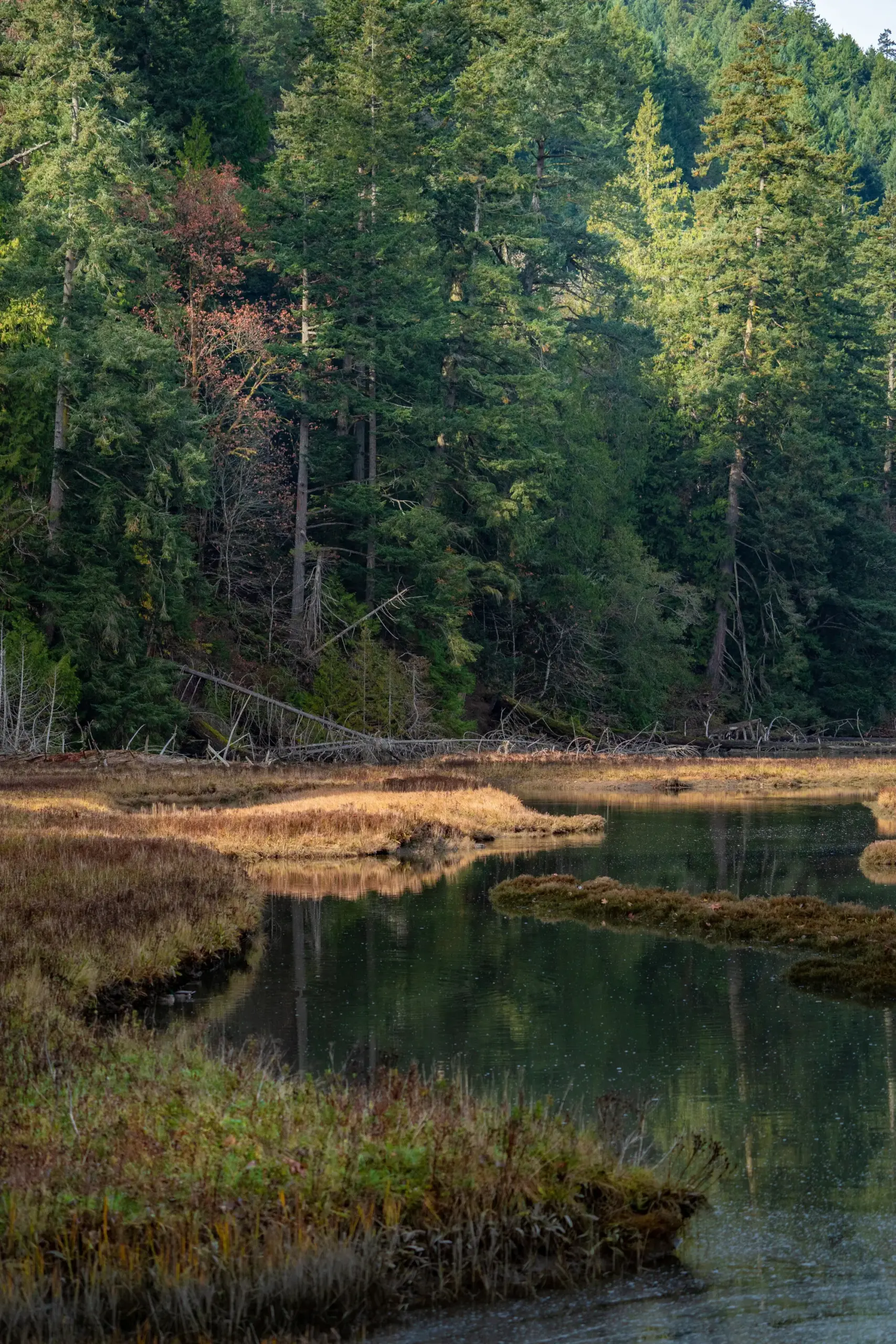
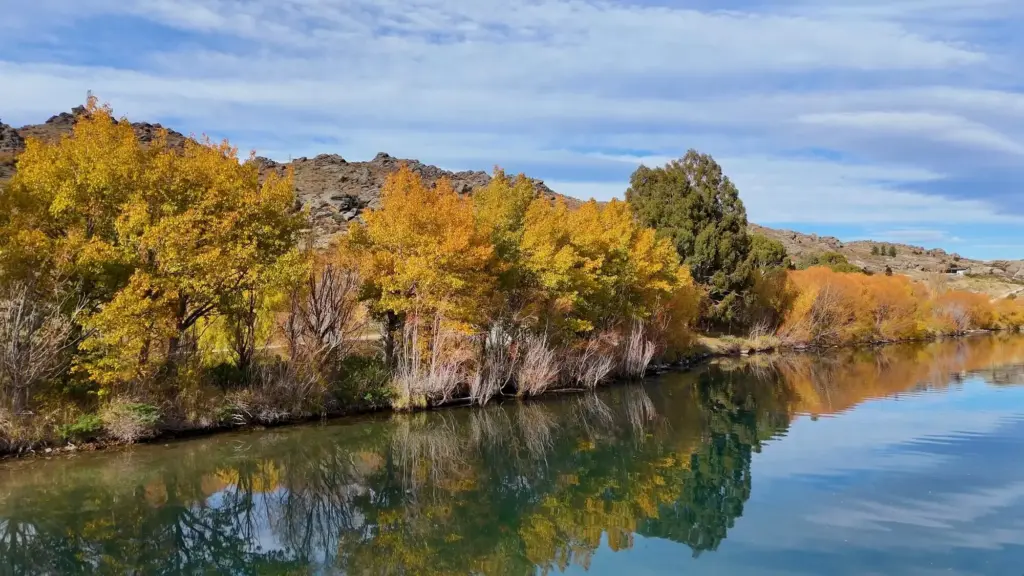
Reflections thrive on soft, low angles that balance sky luminance with shaded foregrounds. Golden-hour light warms granite and larch, while a cool blue hour deepens tranquility and lifts mist into luminous veils. Polarizers can betray you by killing reflections; set them weak or remove entirely. Expose gently to protect highlights, and favor backlit edges where peaks seem to hover. Build images that feel like breath held, then released.

Seasons of Stillness: Mist, Frost, Haze, and Turning Leaves
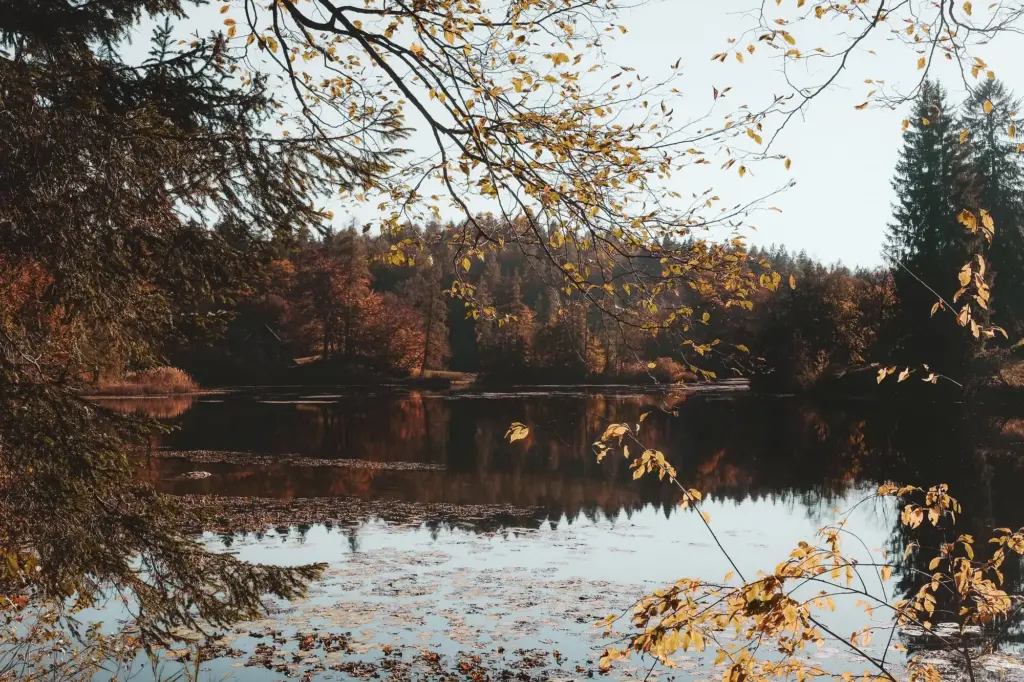
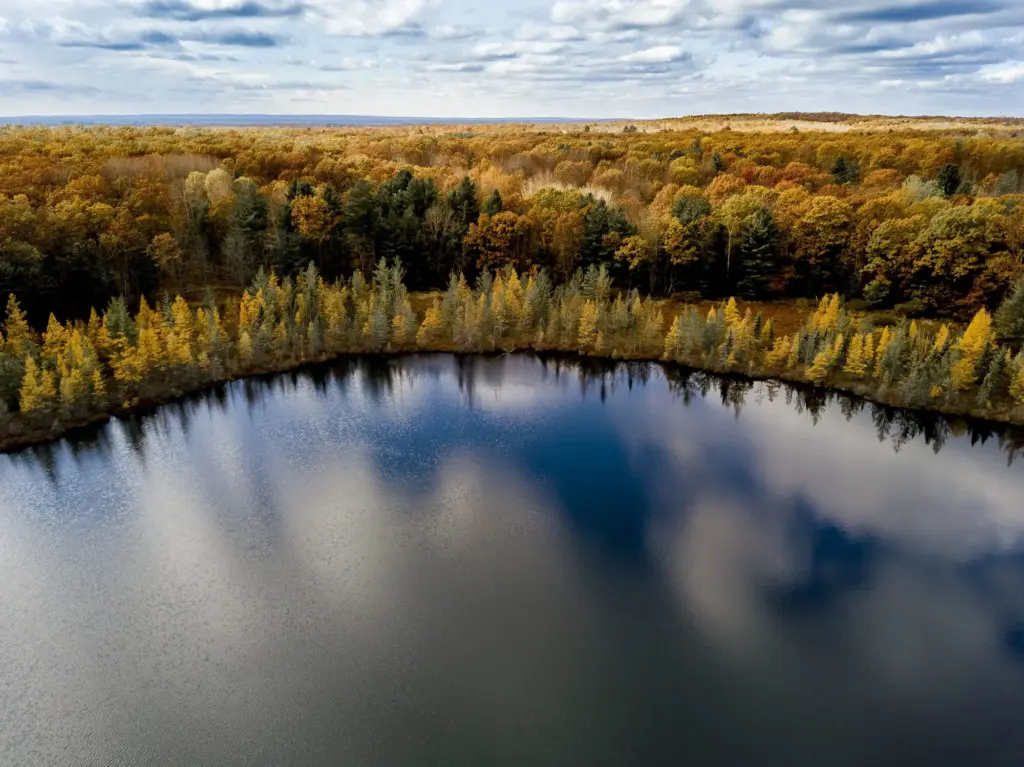
Each season rewrites the odds. Autumn favors steam fog on Derwentwater when mild water meets chilled air, gifting painterly veils and total calm before sunrise. Winter’s hard highs can lock the district beneath sapphire domes for days, though wind chills bite. Spring swings quickly; grab transient lulls between showers. Summer demands ruthless early alarms, then clouds or showers can reset the board by evening, granting a second, quieter window after the last mercurial gusts fade.

Field Kit and Rituals: Forecasts, Notes, and Simple Instruments
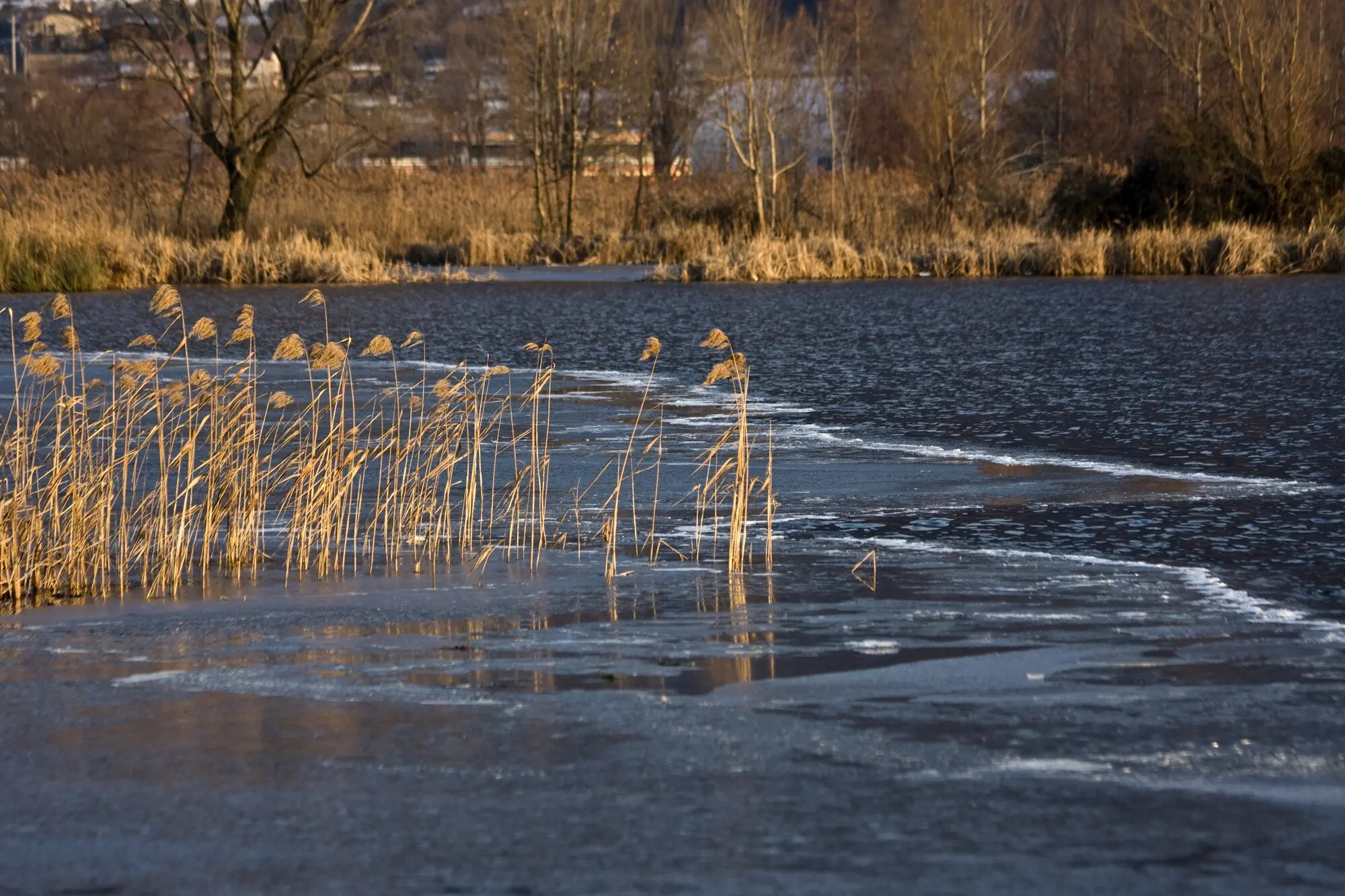
Great results flow from repeatable habits. Check Met Office hourly, MWIS outlooks, and model viewers like Windy or Meteologix, then compare with a lakeside reality check. Carry a pocket anemometer, tiny thermometer, and microfiber cloth. Keep a voice memo log naming lake, wind direction, shelter notes, and arrival time. Share your logs with us, subscribe for cumulative pattern roundups, and help build a free community map highlighting recurring dawn lulls at favorite lay-bys and stone jetties.
Vanilivovaronarikavi
Privacy Overview

This website uses cookies so that we can provide you with the best user experience possible. Cookie information is stored in your browser and performs functions such as recognising you when you return to our website and helping our team to understand which sections of the website you find most interesting and useful.