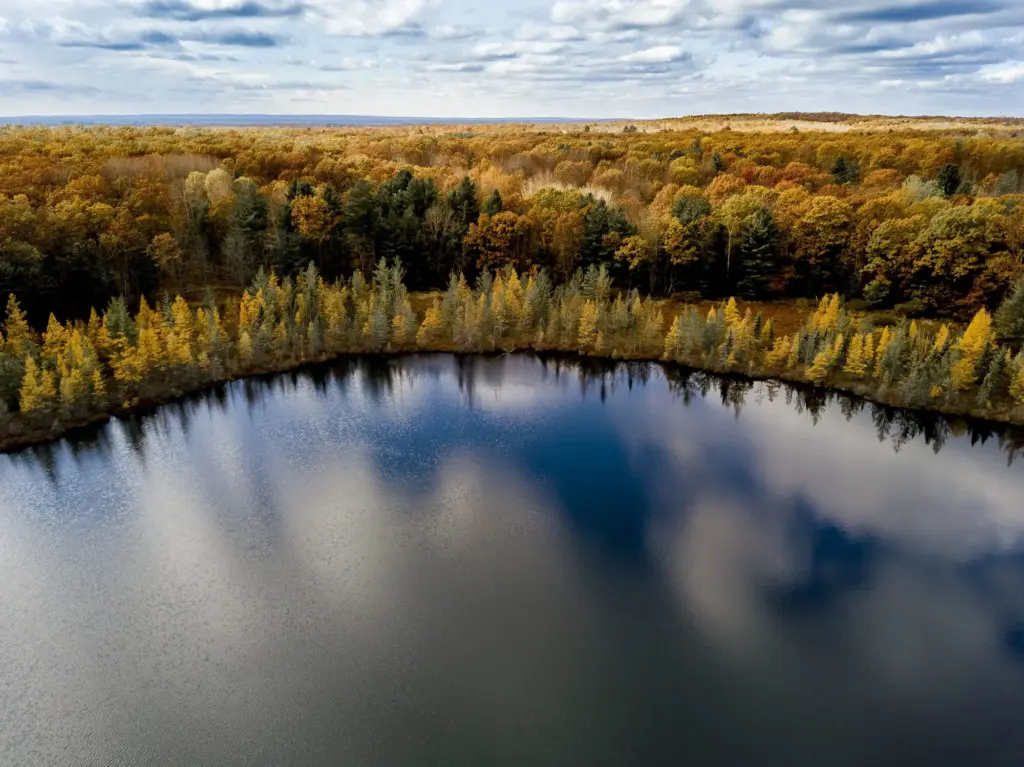
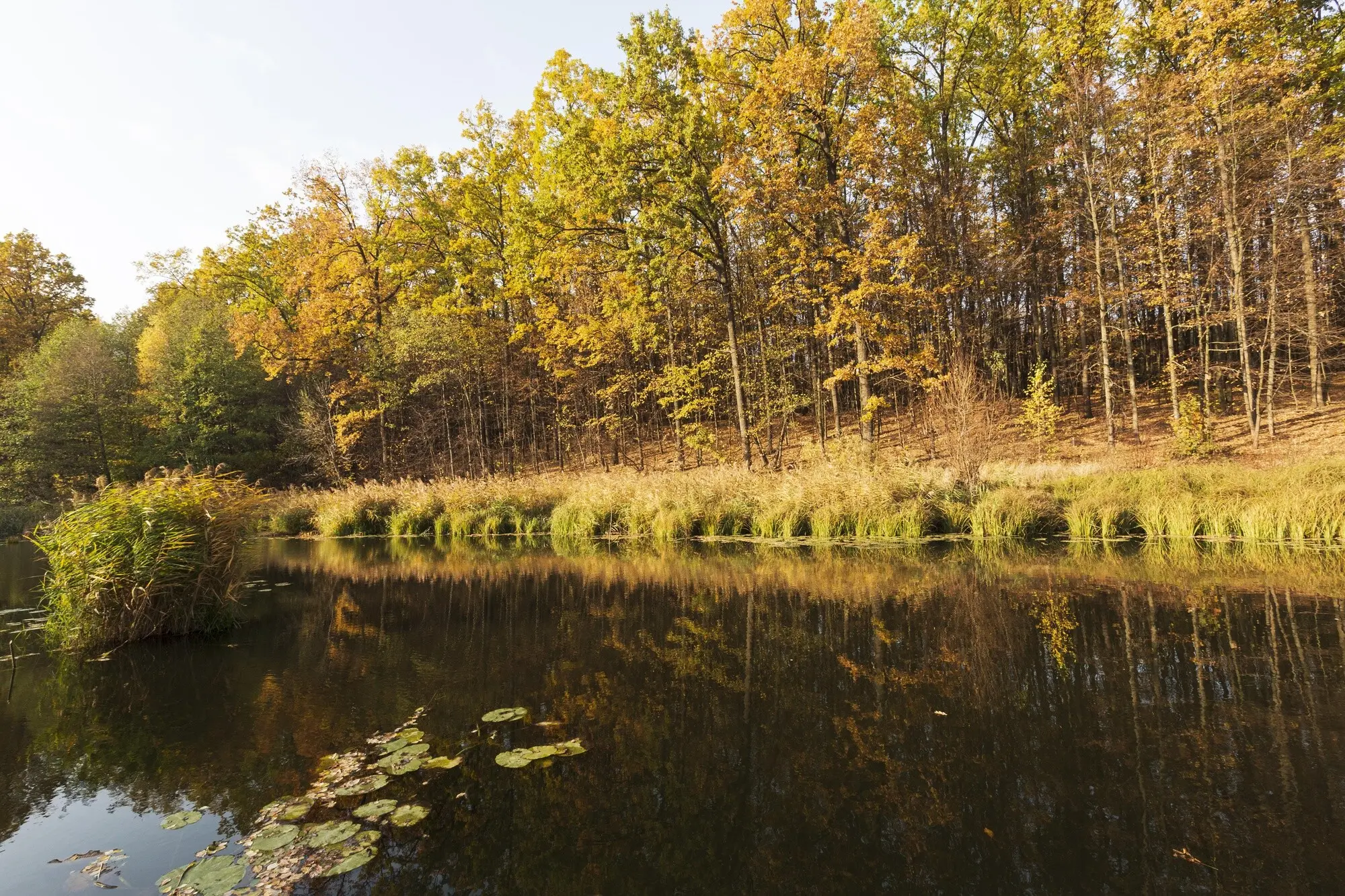
Mirror Calm in the High Country

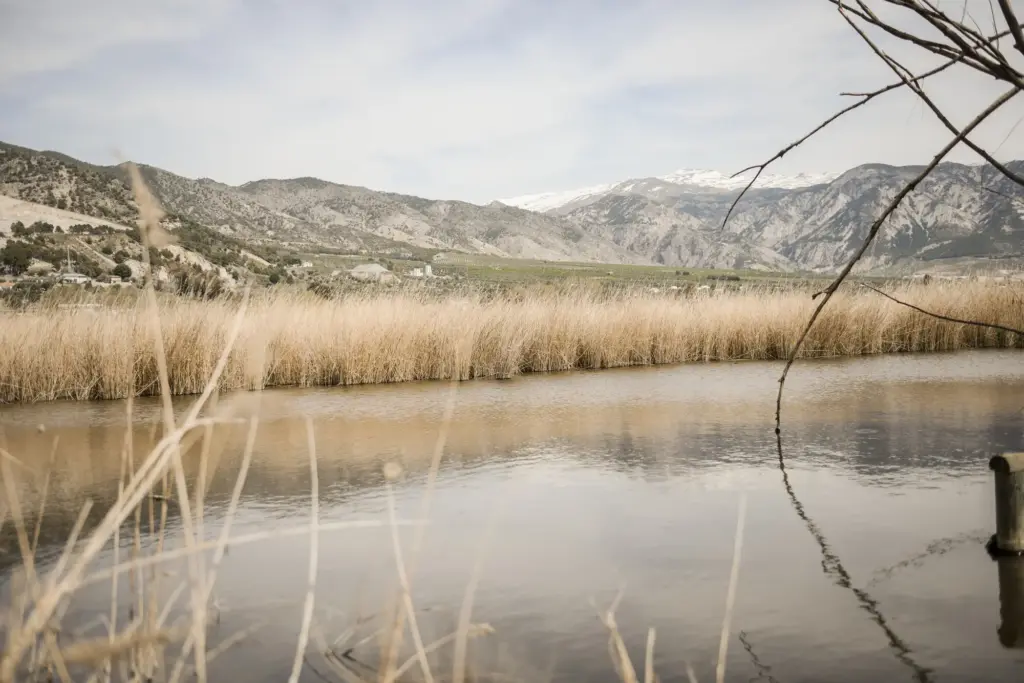
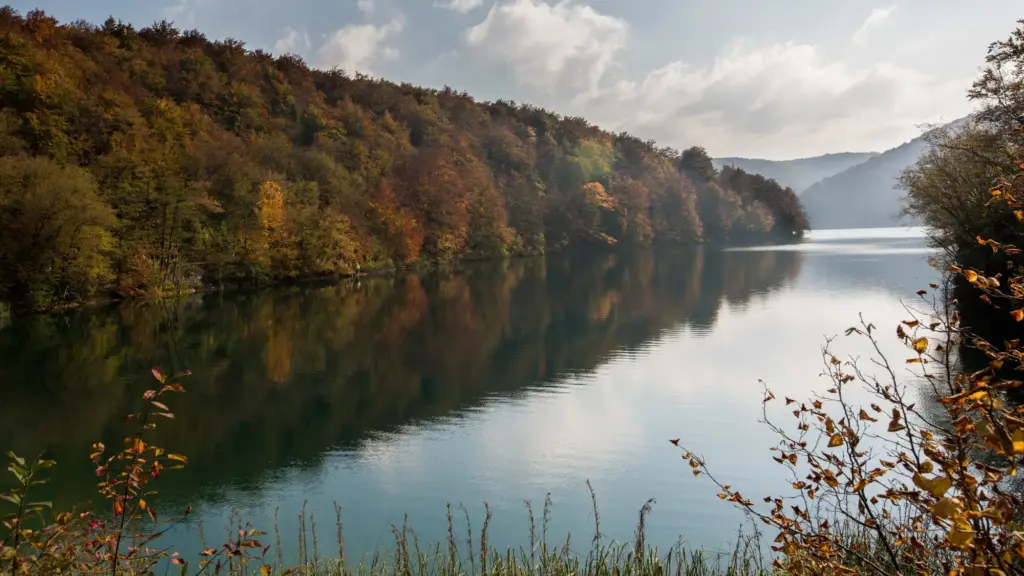
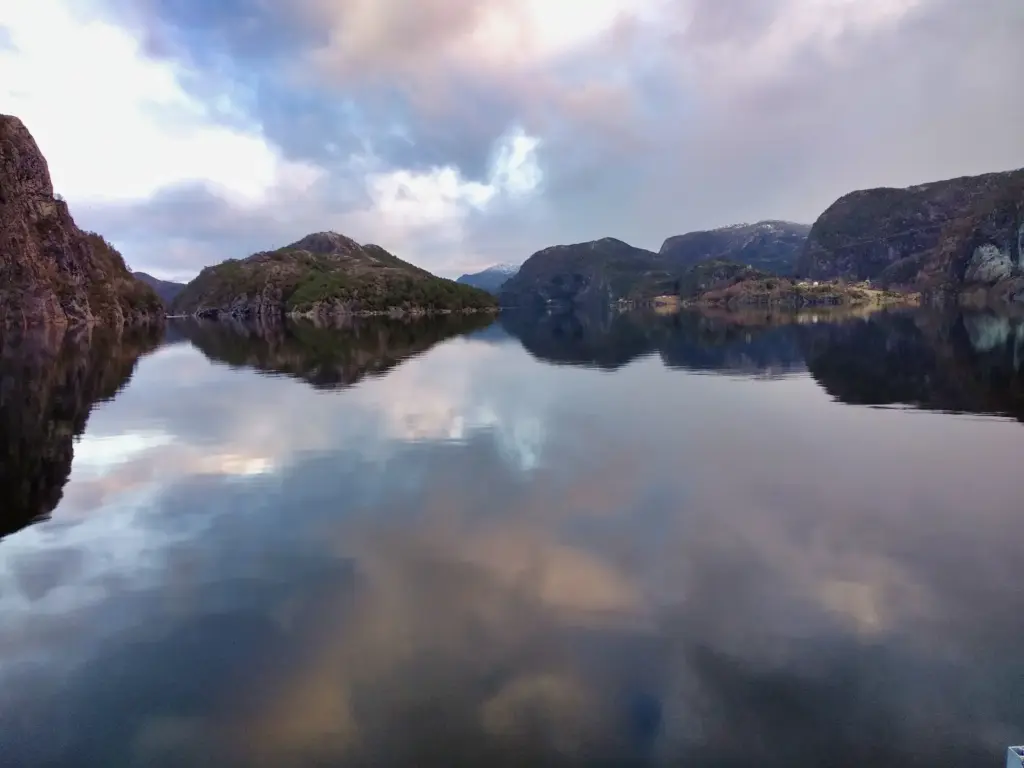
Today we dive into long-exposure and polarizer techniques for crisper reflections in mountain tarns, exploring how controlled shutter speeds, careful filter rotation, and patient fieldcraft can transform restless alpine water into a glassy mirror. Expect practical settings, trail-tested wisdom, small scientific insights, and creative choices that honor the landscape while inviting your personal style to shine.

Reading Light, Wind, and Water

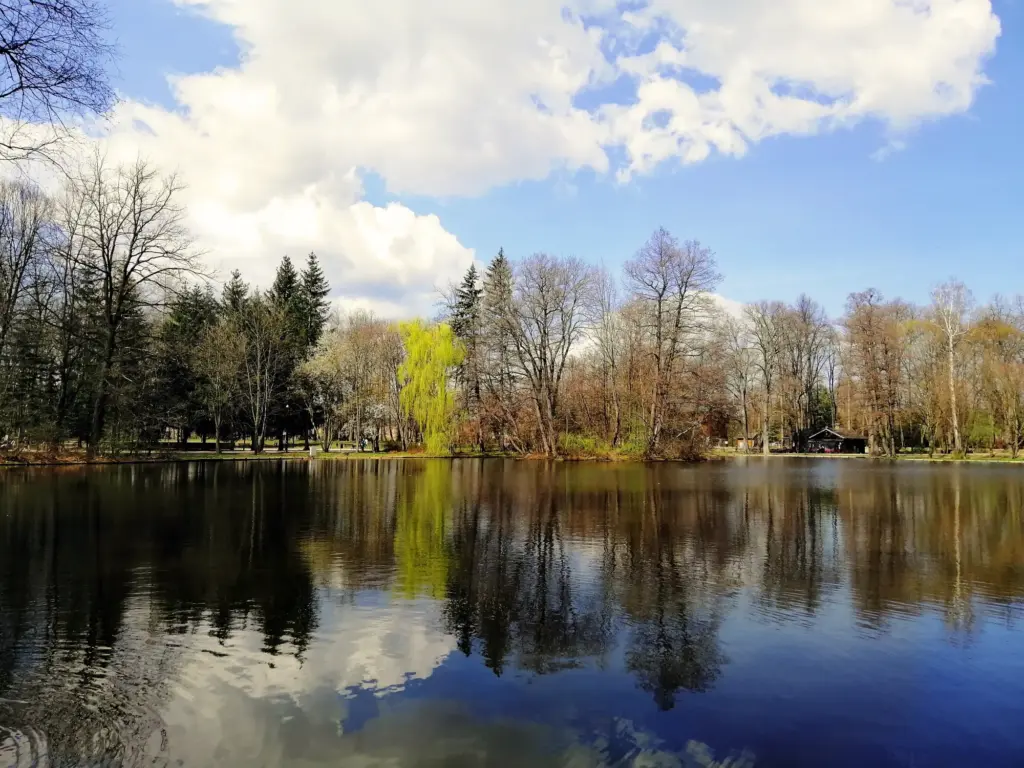
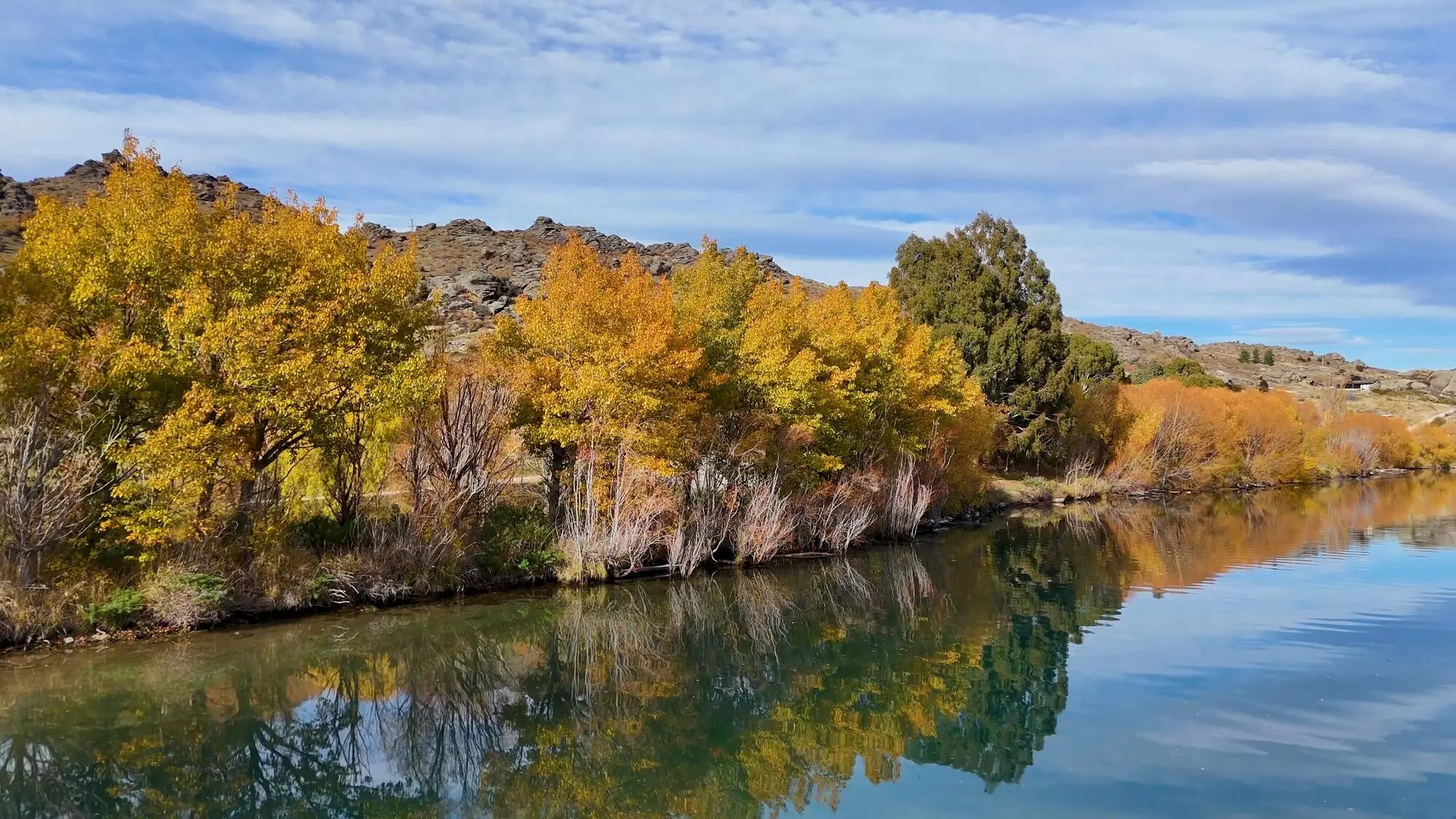
Reflections thrive when light is gentle, wind is barely breathing, and the water surface behaves like calm skin. Learn to notice katabatic morning air, late-day thermals, the hush between gusts, and how mountains sculpt both light and weather. Anticipating these rhythms lets you time a shutter press that dignifies every ridge, cloud, and snowfield echoed on the tarn.

The Core Kit: Shutter, Filters, and Stability

A trustworthy tripod, reliable head, cable or app trigger, and vibration discipline make long exposures sing. Add circular polarizers for glare control and neutral density filters for extended shutter times. Lens hoods, cleaning cloths, and weather covers matter in spindrift and alpine grit. Preparedness turns delicate conditions into clean files and confident field decisions.

Finding the Shutter Sweet Spot

Map shutter time to ripple frequency: slower pulses may need two to five seconds; persistent wind shimmer might demand eight to fifteen. Test incrementally, watching edge acuity along the shoreline and peak contours. Aim to simplify chaos into confident lines while preserving enough micro-contrast that the reflection reads as water, not synthetic glass.

Aperture, Focus, and Depth Discipline

Stop down modestly—often f/7.1 to f/11—to hold both near-water detail and distant summits. Focus slightly beyond the shoreline’s reflection boundary or use focus stacking when foreground stones demand perfect clarity. Avoid excessive stopping that invites diffraction, and confirm micro-focus with magnified live view so mirrored ridges remain clean and satisfyingly crisp.

Histograms, Highlights, and Gentle ETTR

Use zebras or blinkies to protect mirrored clouds and bright snowcaps. Employ gentle expose-to-the-right to gain cleaner shadows in the dark tarn body, then pull tones back in post. Bracket if uncertain, especially when alpenglow saturates. Prioritize flexible RAW files that preserve smooth tonal roll-off across sky-to-water transitions and nuanced color separation.

Polarization and Reflection: Practical Physics

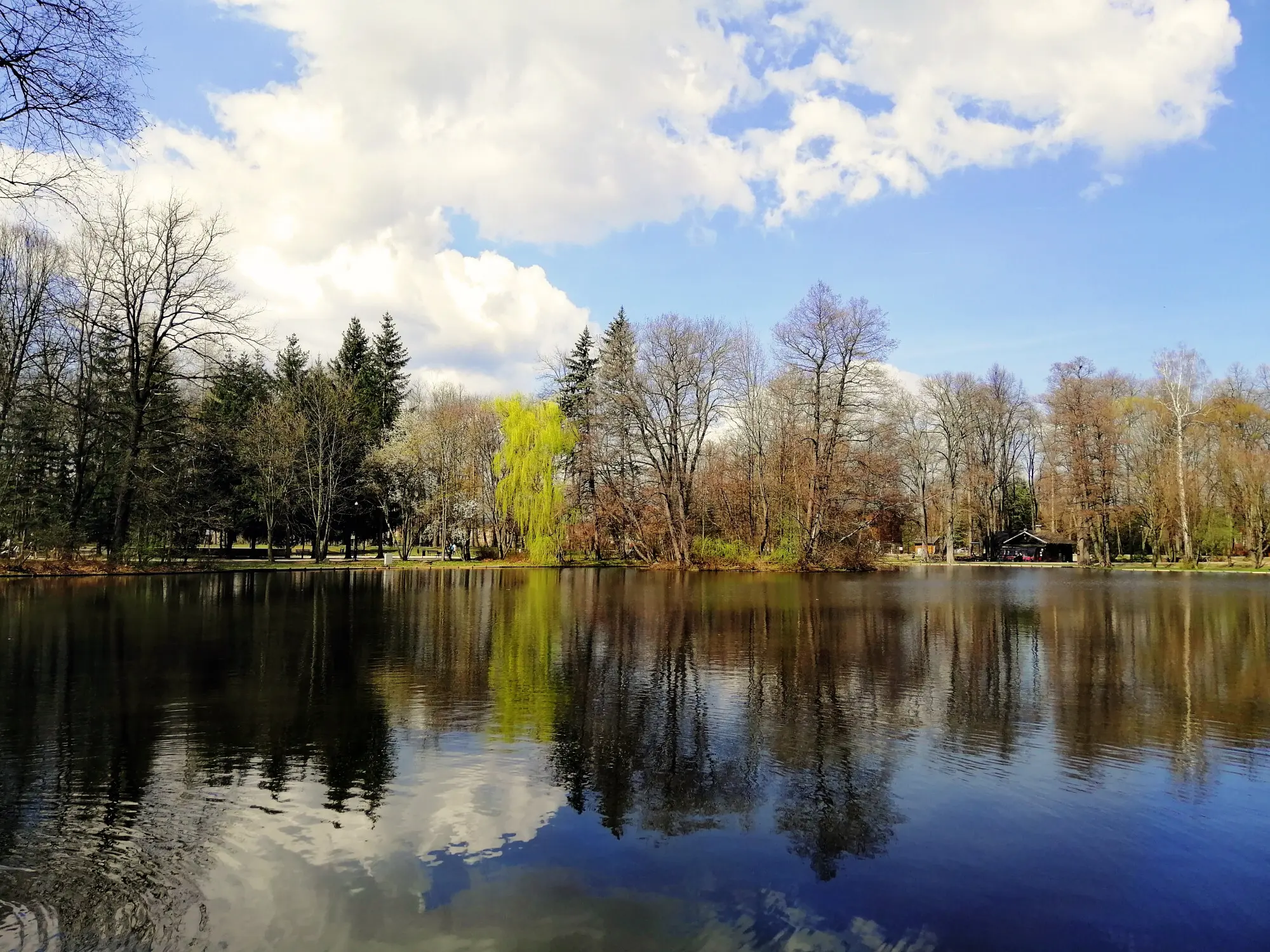
Water reflections hinge on angles. Near Brewster’s angle, polarization can strip glare efficiently, but artful control matters more than maximum effect. Preserve the mountain’s mirrored identity by easing off rotation until reflection intensity and bed detail harmonize. The goal is fluent control, not total suppression, so surface character remains elegantly authentic.

Balancing Reflection Strength Versus Clarity

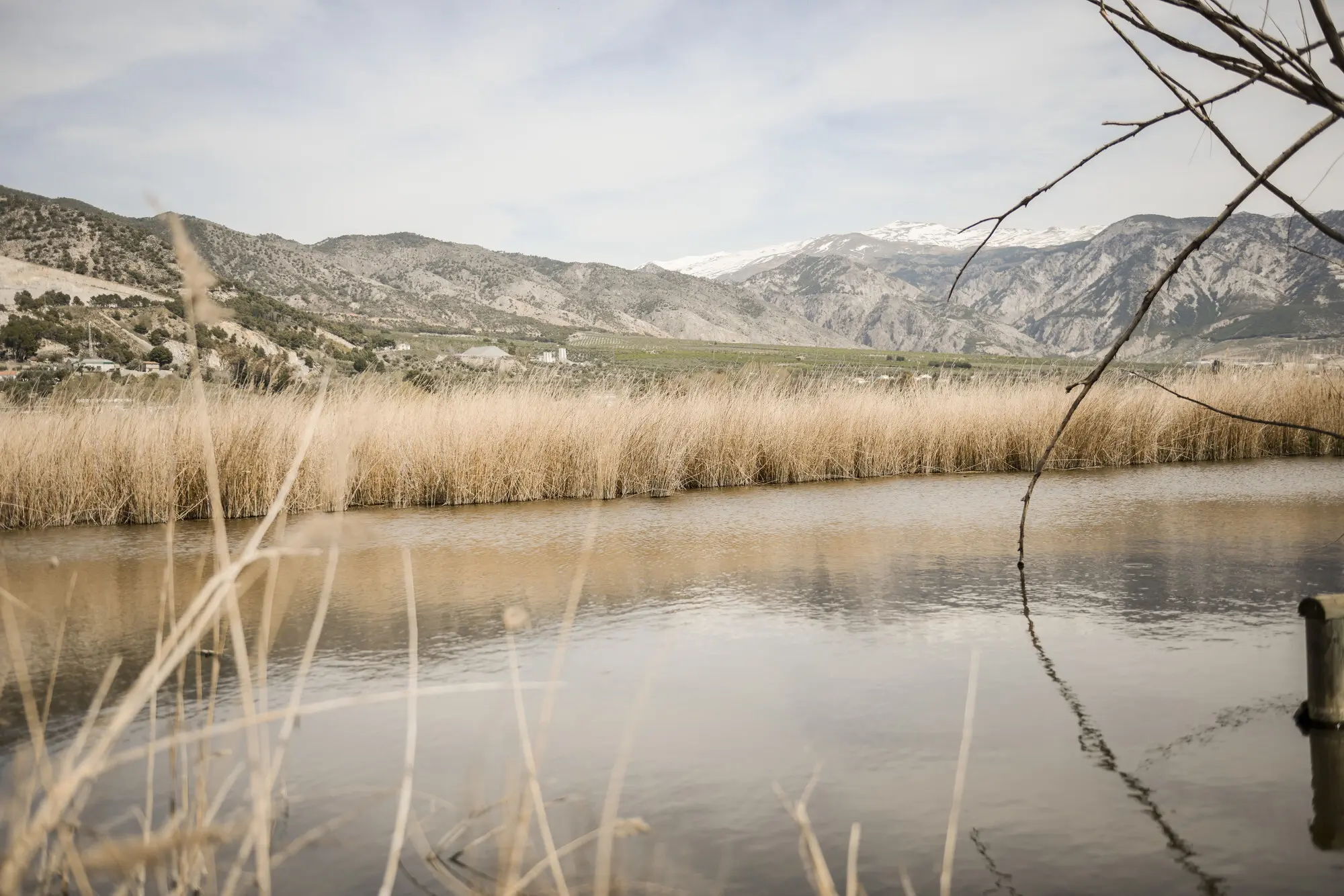
Treat the polarizer like a volume knob rather than an on–off switch. Rotate to reduce chaotic glare while maintaining a recognizable mirror of peaks and sky. Watch at the edges where sky meets water; small rotational tweaks often recover subtle tonal transitions that make the reflection read natural, dimensional, and emotionally convincing.
Wide-Angle Pitfalls and Panorama Strategy

Ultra-wide lenses invite uneven polarization, blotching skies and reflections. Mitigate by moderating rotation, choosing slightly longer focal lengths, or embracing stitched panoramas shot with consistent polarizer settings. During panos, hold rotation constant and overlap generously, then correct residual gradients gently in post to keep the mirror’s tonal flow unbroken and serene.
Taming Glare on Wet Rock and Alpine Foliage

Beyond the tarn itself, polarizers subdue shine on soaked boulders, moss, and shoreline grasses. This restraint restores true color and contrast gradients around the mirror, preventing bright halos that distract from symmetry. Rotate while studying micro-reflections on rock faces, ensuring the surrounding textures support, rather than compete with, the calm water portrait.
Field Workflow and Stories from the Ridge

A Patient Morning, Step by Step

Arrive early, breathe, and watch patterns return. Level the tripod, check bubbles drifting, and track cloud movement relative to peaks. Establish base exposure unfiltered, then add ND and adjust. Rotate the polarizer slowly, mark the sweet spot mentally, and protect the lens from cross-breezes. When stillness arrives, release the shutter without rushing.

When Wind Surprises You

Shift position into a lee made by moraine ridges or stunted pines. Lower the tripod, widen stance, and use your body as a gentle windbreak. Lengthen shutter to average remaining flicker, or time exposures between gust sets. Acceptance helps: sometimes a slightly textured reflection feels more honest than an over-smoothed, sterile surface.

Respecting Fragile Alpine Edges

Stay on stone where possible, step lightly on durable surfaces, and avoid trampling tender sedges near shorelines. Pack out every crumb, leave rocks where you found them, and share locations responsibly. The best photograph also honors habitat, ensuring future mornings gift the same stillness, song of water, and sky patiently composing itself.

Post-Processing for Honest, Crisp Mirrors

Refinements should protect believability. Start with neutral white balance, lift shadows carefully, and shelter specular highlights in the reflection. Use localized masks to equalize sky-to-water transitions, keeping gradients smooth. Add clarity sparingly, sharpen edges that define peaks and shorelines, and avoid halos. The guiding principle: polish, do not invent.

Practice, Community, and Next Steps

Skill grows through repetition and conversation. Revisit the same tarn across seasons, keep notes on wind patterns, shutter tests, and polarizer angles. Share your images, ask questions, and compare field diaries. Subscribe for upcoming deep dives, leave a comment with your favorite alpine mirror, and invite a friend to watch calm water together.
Vanilivovaronarikavi
Privacy Overview

This website uses cookies so that we can provide you with the best user experience possible. Cookie information is stored in your browser and performs functions such as recognising you when you return to our website and helping our team to understand which sections of the website you find most interesting and useful.